

During my career, I've helped implement interface management on numerous projects, including some of the largest projects in the world. I've worked with exceptional teams and witnessed remarkable examples of project execution, but one project has always stood out as one of the strongest implementations of interface management I've encountered.
This case study is relevant for owner-operators, EPC organisations, interface managers, engineering managers, project controls teams, and project delivery leaders responsible for coordinating work across multiple contractors, disciplines, and stakeholders.
Projects involving complex dependencies, large volumes of engineering deliverables, or globally distributed execution teams can benefit from the lessons learned and best practices described here.
Key Takeaways
- A multibillion-dollar capital project identified third-party interfaces as one of its top project risks and implemented a formal interface management programme to address it
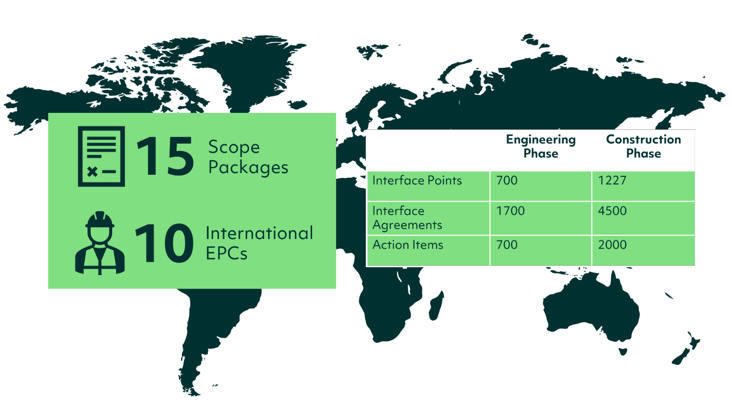
- More than 3,000 engineering deliverables were exchanged across 15 scope packages and 10 international EPC organisations, creating significant coordination challenges
- Strong governance, stakeholder engagement, and clearly defined interface responsibilities helped improve collaboration and accountability across project teams
- The project established 10 interface management best practices that became central to project execution and were later adopted as part of a corporate engineering management standard
- Effective interface management processes, supported by dedicated software, helped teams identify issues early and improve visibility across complex project interfaces
Jump to
- Project Background
- What is Interface Management?
- How Did the Project Team Approach Interface Management?
- What are the Best Practices of Interface Management?
- What were the Results?
- What Can Other Projects Learn from this Example?
- Summary
Project Background
The project consisted of 15 scope packages executed by 10 international EPC organisations. The owner-operator estimated that more than 3,000 engineering deliverables would need to be exchanged between contractors during the engineering phase alone.
Adding to the complexity, many scopes of work progressed through engineering gates at different times and on different schedules. This created a large number of dependencies between organisations, making coordination and communication particularly challenging.
At the time, third-party interfaces had been identified as one of the project's top risks. The project represented a multibillion-dollar capital investment in a remote northern region of Canada and was expected to span six years.
Recognising the potential impact that poorly managed interfaces could have on project delivery, the owner-operator invested in improving its interface management practices. Using lessons learned from previous projects and input from industry consultants, the organisation developed a formal interface management plan. The plan was later adopted as part of the company's corporate engineering management standard.
The project team also recognised the need for a centralised system that could support globally distributed teams and provide a single source of interface information. A robust interface management software solution was selected to support governance, visibility, standardisation, and early identification of issues that could affect cost or schedule.
What is Interface Management?
Interface management is the structured process of identifying, documenting, tracking, and resolving dependencies between different organisations, teams, disciplines, systems, or work scopes involved in a project.
An interface point is a location where two or more parties rely on each other to exchange information, deliver work, make decisions, or fulfil project commitments.
Effective interface management helps ensure that responsibilities are clearly defined, commitments are tracked, and potential issues are identified before they impact project execution.
How did the Project Team
Approach Interface Management?
 Much of the programme's success can be attributed to a dedicated interface manager.
An interface manager is responsible for coordinating and governing project interfaces, facilitating collaboration between stakeholders, and ensuring interface commitments are identified, tracked, and resolved. The interface manager on this project helped establish a high-performing environment built on governance, accountability, and teamwork.
The importance of shared values, common goals, and collaboration was consistently reinforced across the project. Rather than focusing solely on individual organisational objectives, project participants were encouraged to prioritise the overall success of the project. This approach helped reduce duplication of effort, improve communication, and break down traditional organisational silos.
The client interface team also demonstrated a proactive approach to continuous improvement. Quarterly surveys and global interface meetings were used to gather feedback, identify challenges, and improve processes throughout the project lifecycle. Key performance indicators (KPIs) were established to monitor participation and performance. Even attendance by client representatives at interface meetings was measured and tracked.
The team also integrated interface activities into project schedules through Key Interface Milestones (KIMS). KIMS are planned dates used to track critical interface commitments and activities that could affect project execution. Interface points were also integrated into the project's 3D model, providing additional visibility across work scopes and dependencies.
What are the Best Practices of Interface Management?
The following best practices were used and featured prominently throughout the interface management and project execution plans:
Client best practices
1. Ensure Applicable Client Stakeholders Are Involved in All Interfaces
Ongoing involvement from client stakeholders was considered essential. Mandatory attendance at interface meetings ensured stakeholders remained informed of changes, emerging challenges, and potential risks. Their participation also enabled quicker decision-making and issue resolution.
2. Retain Responsibility for Resolving Contractor Interface Issues
The project did not expect EPCs or contractors to resolve disputes between other organisations. When interface disagreements arose, established escalation procedures were used to ensure decisions were made by the appropriate client stakeholders.
3. Ensure Client Stakeholders Understand Their Scope and Interface Responsibilities
Client representatives were expected to understand their scope of work, the limits of that scope, and their interface obligations. The project consistently reinforced stakeholder accountability and avoided placing responsibility solely on contractors.
4. Make Decisions Based on the Overall Interests of the Project
Project-wide outcomes were prioritised over individual organisational interests.
When conflicts emerged, decisions were guided by what would deliver the greatest benefit to the project as a whole.
5. Build Strong Working Relationships Across Interfaces
Strong working relationships between client stakeholders and their counterparts helped foster collaboration and trust. The project's emphasis on teamwork played a significant role in breaking down communication barriers and improving coordination.
EPC & contractor best practices
6. Appoint an interface manager within 30 days of project kickoff
Each external organisation was required to designate a single interface management point of contact within 30 days of onboarding. This created clear ownership and accountability from the beginning of the project.
7. Develop an area-specific interface management plan within 60 days
Working with client representatives, each EPC developed a scope-specific interface management plan aligned with the overall project framework. This ensured consistency across organisations while recognising the unique needs of each scope package.
8. Establish interface meetings within 60 days
Formal interface meetings were implemented with all relevant parties.
These meetings provided a structured forum for reviewing commitments, discussing issues, and coordinating activities.
9. Develop an interdependency schedule within 60 days
An interdependency schedule is a documented schedule of information exchanges, deliverables, and support requirements between interfacing parties. For every interface, contractors identified when information or support would be required from others in order to complete their work. This became a critical tool for defining interface agreements, aligning schedules, and identifying potential conflicts early.
10. Finalise interface points and agreements within 60 days
Contractors were required to validate interface registers and establish interface agreements early in the project. Teams were encouraged to treat interface management as a "selfish discipline" by documenting what they needed from others as soon as possible.
This approach provided clarity regarding expectations, improved workload visibility, and helped identify potential issues before they became project risks.
What were the Results?
According to the project team, the interface management programme played an important role in supporting project execution objectives.
The project established a structured approach to managing one of its most significant identified risks and created greater visibility across thousands of deliverable exchanges and dependencies.
Several aspects of the programme were later adopted as part of the organisation's corporate engineering management standard, reflecting the value the company saw in the approach.
The project also demonstrated the impact that strong governance, stakeholder participation, clearly defined responsibilities, and proactive communication can have on managing complex project interfaces.
What Can Other Projects Learn from this Example?
This case study highlights that successful interface management requires more than simply maintaining an interface register.
The project invested in governance, accountability, stakeholder engagement, performance measurement, and continuous improvement. It also recognised the importance of supporting those processes with a centralised software platform capable of managing interfaces across globally distributed teams.
While every project faces different challenges, the principles applied here remain broadly applicable: establish ownership early, document dependencies clearly, engage stakeholders consistently, and create visibility into interface commitments before they become project issues.
Coreworx: Supporting Complex Interface Management at Scale
As projects become larger and more interconnected, managing interfaces through spreadsheets, email chains, and disconnected processes becomes increasingly difficult.
Coreworx Interface Management Software can help organisations establish a single source of truth for interface agreements, commitments, actions, milestones, and stakeholder accountability across complex projects.
To learn more about how interface management can help your project overcome major hurdles and finish on time, request a demo.

Updated September 2026