


The 5-step interface management (IM) process is a principle-led framework that helps teams identify, coordinate, and manage project interfaces with greater clarity. By giving project teams shared rules for decision-making, it reduces ambiguity across stakeholders, simplifies start-up, and strengthens the foundation for successful interface management throughout complex projects.
Coreworx Interface Management software supports the 5-step interface management process by giving EPCs, interface managers, and project owners a structured way to coordinate, track, and manage interface work across stakeholders. The following principles explain how teams can bring more discipline to interface identification, communication, accountability, visibility, and continuous improvement throughout the project lifecycle.
Key takeaways
- A clear interface management governance model assigns responsibilities, defines communication paths, and establishes how interface issues, documents, and new interfaces are managed
- Starting an interface management program during front-end planning helps teams identify interfaces, scope, dependencies, and risks before engineering and construction activities are fully underway
- Because interfaces evolve as projects progress, teams must continue coordinating stakeholders, tracking agreements, monitoring performance, and addressing emerging issues throughout delivery
- Measuring overdue interface agreements, turnaround times, late interface points, and related change orders helps teams identify problem areas and take corrective action
- Complete interface closeout requires resolved interface issues, received deliverables, transferred agreements and records, a closed interface register, and documented lessons learned
Jump to
- What is Interface Management in Project Management?
- What are the 5 Key Steps of Interface Management?
- Final Thoughts
What is interface management in project management?
In project management, interface management begins during front-end planning and continues through engineering, construction, and project handover. It brings together governance, interface identification, ongoing coordination, performance monitoring, and closeout. The aim is to keep stakeholders aligned, make interface issues visible, and ensure that agreements, deliverables, and related records are managed throughout the project lifecycle.
What are the 5 key steps of interface management?
The 5 key principles of interface management are:
- Establish a governance model
- Implement early
- Commit to ongoing execution
- Continuously monitor & measure
- Include interfaces in closure & project handover
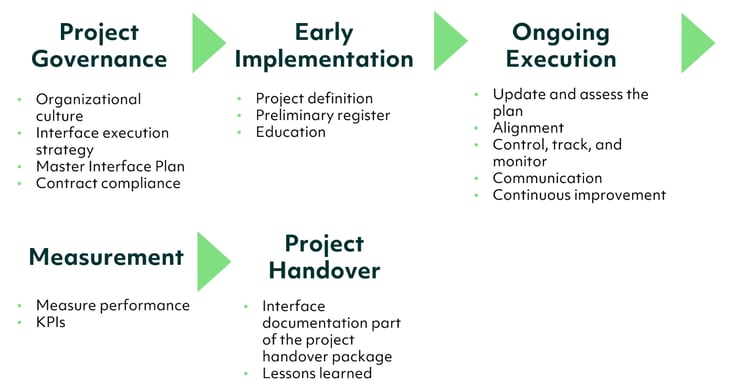
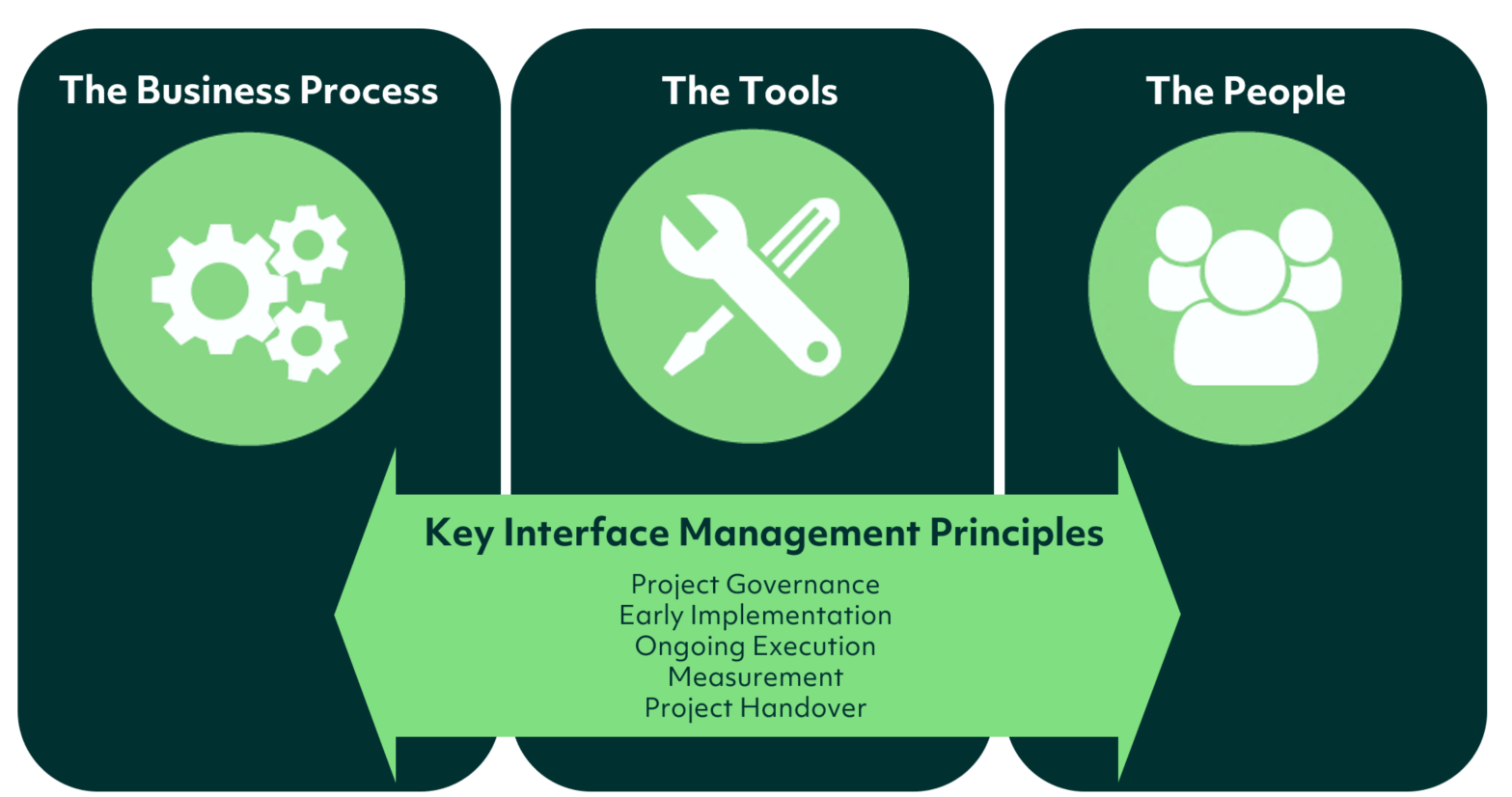
Figure 1 (above): Critical success factors for the interface management process
Step 1: Establish a governance model
Project governance is the set of rules, procedures, and policies that determine how projects are managed and overseen. Interface management professionals establish a governance model through the development of the Interface Management Plan.
The Interface Management Plan defines the policies and procedures for managing project interfaces and ensures alignment across key interface stakeholders.
Establishing guidelines for stakeholders is a vital component of interface management governance. Stakeholders must understand the expectations of the project owner. Be sure to include answers to the following questions in your Interface Management Plan:
- Who are the key stakeholders?
- How do I communicate with other stakeholders?
- Where and when are meetings held?
- How are interface issues escalated?
- What happens if a new interface is identified?
- How are interface documents and drawings shared?
- What interface management software will support our program?
Step 2: Implement early
The best time to implement interface management is during the Front-End Planning (FEP) Stage. This includes everything from initial interface analysis to the beginning of an Interface Management Plan, to the development of a preliminary interface register.
Including interface analysis as an essential activity completed in FEP will provide a sound understanding of scope, dependencies, and interface networks.
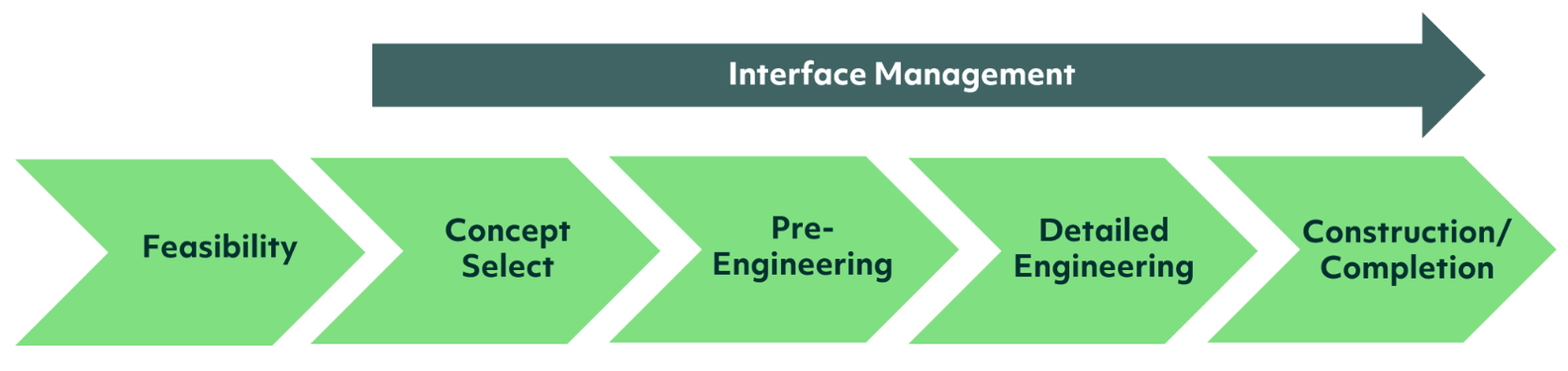
Figure 1: Interface Management Project Lifecycle
According to the Construction Industry Institute’s (CII’s) research on interface management, ‘"early identification of interfaces will lead to a better understanding of potential project risks and promote project success.” The practice of identifying project interfaces early on provides greater visibility of common boundaries, creating better alignment between project teams and stakeholders.
Step 3: Commit to ongoing execution
Interface management is an iterative process. Do not expect to 'set it and forget it.' It requires ongoing commitment, alignment, collaboration, and meetings. Even after the development of the interface register during FEED (Front-End Engineering Design), additional interfaces will likely be identified.
In my experience, in an ideal world, 80% or more of interfaces are identified during FEP (front-end planning) and before contract award. However, once the contracts are awarded and the work begins, stakeholders may identify new interfaces requiring approval as they may introduce a new scope and potentially result in a change order.
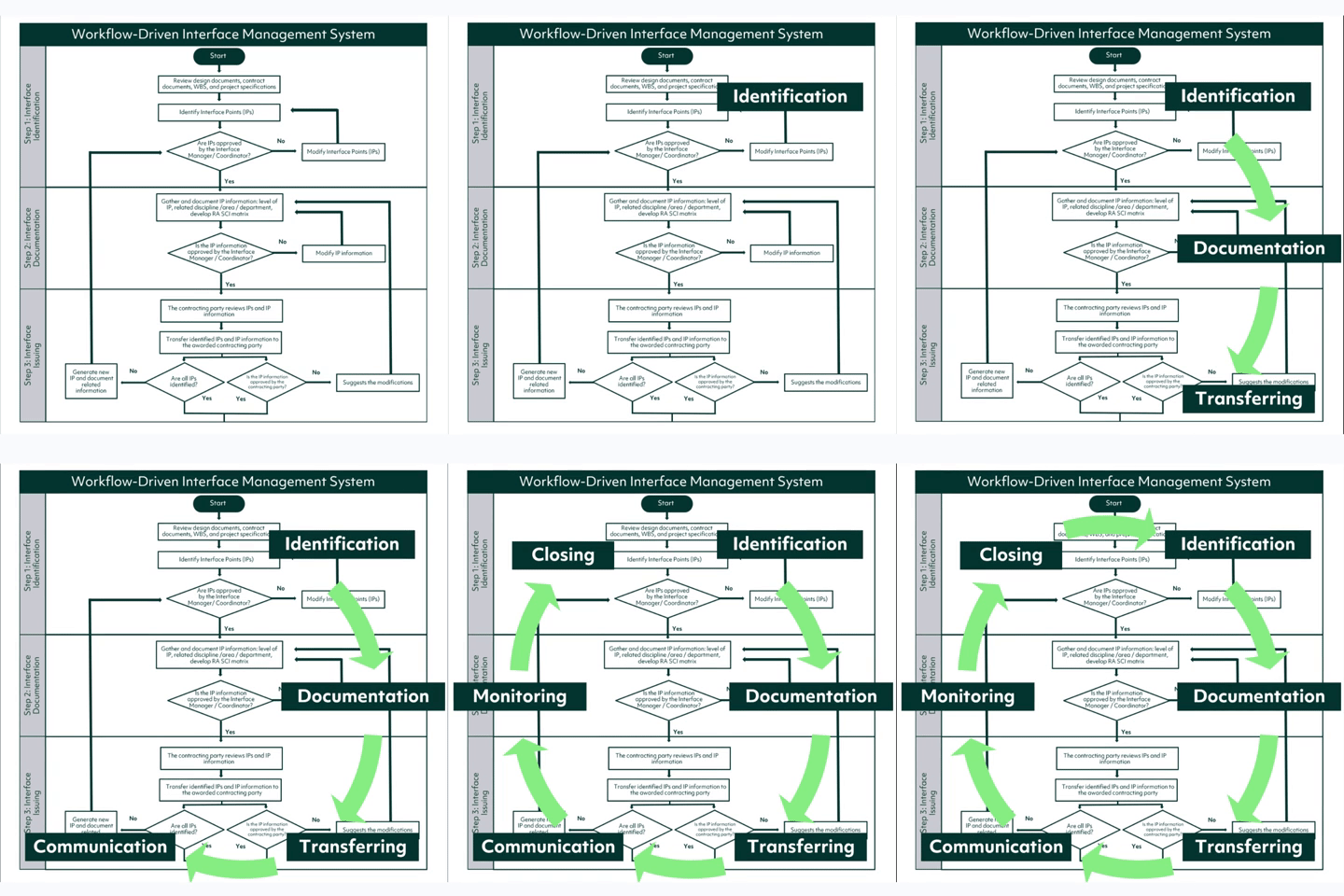
Figure 2: Interface Management Continuous Process
Step 4: Continuously measure and monitor
Interface management professionals need accurate data to make quick, fact-based decisions. Tracking progress and measuring performance must be a firmly established component of your process. Key Performance Indicators (KPIs) should be defined and used to measure the health of your interface program. They provide a way to communicate with stakeholders, and a means to detect and address problem areas early.
Common interface KPIs include:
- Number of overdue interface agreements
- Average turnaround time for interface agreements
- Number or percentage of interface points identified after FEED
- Number of change orders related to project interfaces
- Number of interface points with no interface agreements
KPIs also allow us to identify potential trends and develop ‘proactive’ corrective action plans. Trends related to late interface deliverables are a measurement that can identify problem areas, including but not limited to:
- Areas with a high degree of complex scope
- Increases in scope
- Underperforming contractors
- Schedule discrepancies
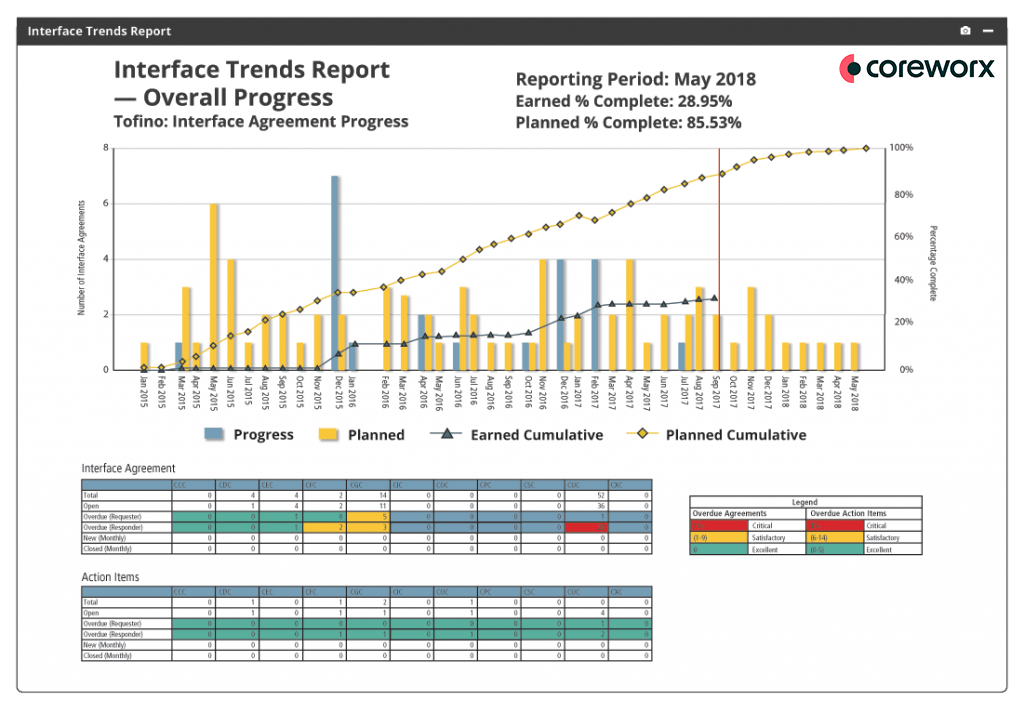
Figure 3: Interface Trends Report
Methods used to mitigate these risks include:
- Establishing contract incentives
- Regular interface meetings
- Identification of interface dependencies
- Early identification of high-risk interfaces
For more information on the importance of KPIs and the characteristics of a healthy interface program, see our webinar on Advanced Project Insights with Interface KPIs.
Step 5: Include interfaces in closure and project handover
The requirements for interface closeout and handover will vary from project to project. At a minimum, all interface points, interface agreements, and related files should be included in the handover package to the client.
Interface closure and project handover should also include:
- Close-out of hard and soft interfaces
- Ensure all interface issues have been resolved and all interface deliverables received
- Transfer of all interface points and interface agreements
- Inclusion of all file attachments and reference documents
- Closure of the online interface register
- Lessons learned report
The 5-step interface management process in action
This case study on how Coreworx enabled the delivery of a $13B oil & gas megaproject shows how these principles were applied on a complex project in northern Canada.
The project team identified interface management as a major execution risk and introduced a formal approach based on people, process, and tools. A standardized Interface Management Plan guided early identification during FEED, inclusion of interface requirements in tenders and contracts, cross-contractor reviews, and tracking from engineering through construction and handover. A “One Team” approach supported shared accountability and communication.
This maps directly to the five principles: establish governance, start early, continue execution, monitor performance, and close interfaces through documented handovers. Coreworx provided the central register, workflows, visibility, notifications, and reporting used to maintain status and commitments.
Final thoughts
Effective interface management will not come without challenges. Lack of stakeholder alignment, scope ambiguity, poor communication, and lack of visibility can all lead to late deliverables, negatively impacting your project. But following the 5 principles of interface management will help overcome potential issues such as these. Improving the processes and technologies used to deliver your capital projects will help make these principles a reality and, in turn, reduce the impact of these challenges.
Each principle will have an impact on three critical success factors: the business process, the tools, and the people. These will serve as a solid foundation for your interface management program that spans the full project life cycle.
If you're interested in learning more about our Coreworx IM Smartcheck program, contact us now to receive an information package.